
The explosive growth of AI computing and data center expansion has sharply increased demand for high-speed optical modules, particularly 800G and 1.6T modules, which are essential for high-bandwidth interconnects . Cloud providers and hyperscalers are investing heavily in infrastructure, creating a demand surge that outpaces current production capacity . Emerging applications such as FPV drones, vision link systems, and AI-driven networks are also contributing to higher downstream demand for optical fiber and modules .
High-end optical modules require advanced optical chips and packaging technologies, which are in short supply. The self-sufficiency rate for high-speed optical chips above 25G is below 30%, and advanced packaging capacity (e.g., CoWoS) is limited to a few manufacturers like TSMC and ASE . Expansion cycles for optical fiber production are long, often exceeding two years, and global capacity is concentrated among a few companies, creating structural supply constraints .
The industry is rapidly transitioning to higher-speed modules, with 800G becoming mainstream and 1.6T being introduced. Newer technologies carry higher prices, with 800G modules costing 50–100% more than 400G modules . Leading manufacturers invest heavily in R&D, which increases production costs and strengthens their pricing power . Rapid technological iteration also raises barriers for new entrants, limiting competition and sustaining higher prices.
Key raw materials, such as indium phosphide (InP) substrates, have seen sharp price increases, with 2-inch InP substrates rising by 50% . Optical fiber preforms and specialty gases like chlorine, helium, and hydrogen have also become more expensive due to energy inflation and reduced refining capacity . Helium shortages further constrain production, as it is critical for fiber drawing processes .
Geopolitical pressures, domestic substitution policies, and supply chain security concerns are prompting manufacturers to diversify strategies, which temporarily increases costs . Long-term supply agreements and supply chain diversification are being considered to mitigate short-term price volatility .
In essence, the rise in optical module prices is driven by strong demand from AI and data center growth, limited supply of high-speed chips and advanced packaging, rapid technological upgrades, increasing raw material and energy costs, and geopolitical pressures. While technological innovation and large-scale production may eventually reduce costs, structural bottlenecks and supply-demand imbalances are likely to sustain higher prices in the near term .
The global demand for optical module chips is experiencing a structural and explosive growth trend, primarily driven by
Get Price
With continuously growing demand for bandwidth, optical modules are evolving from 100G and 200G to 400G, 800G,
Get Price
Rising raw material prices are being passed on from the cost side to business operations, and optical module
Get Price
Global AI compute investment drives optical module market to $23.8B in 2025, with forced upgrades to 800G/1.6T
Get Price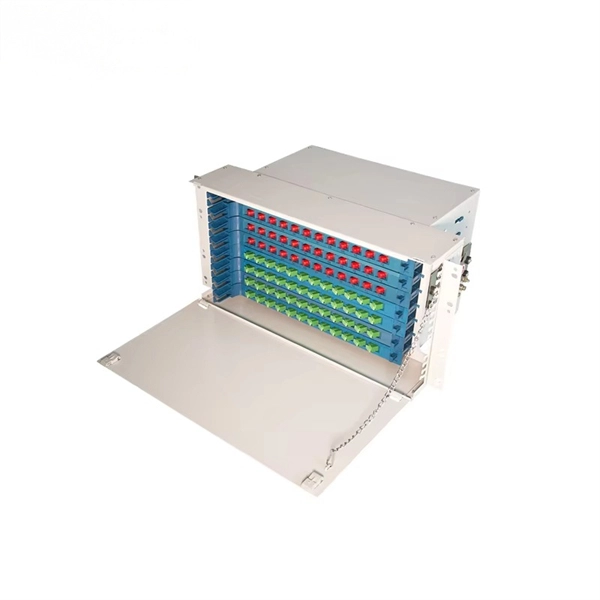
The dramatic surge in fiber optic cable prices from late 2025 into early 2026 is primarily driven by the explosive and
Get Price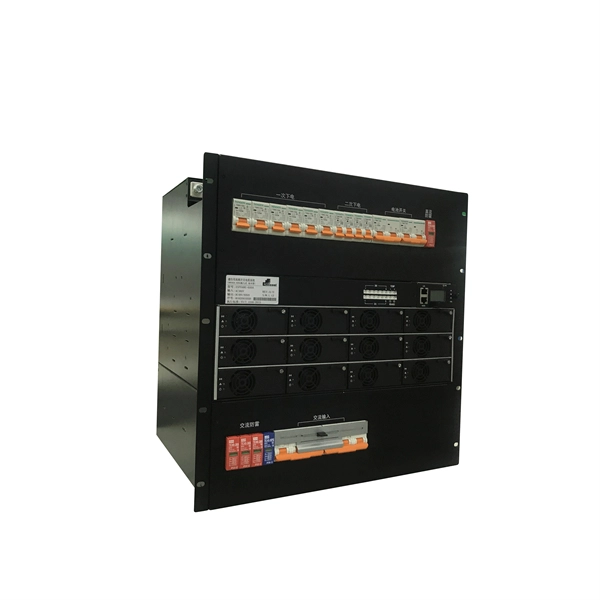
Optical module demand is reshaping faster than most forecasts, with 2026 growth pointing to a clear change in where
Get Price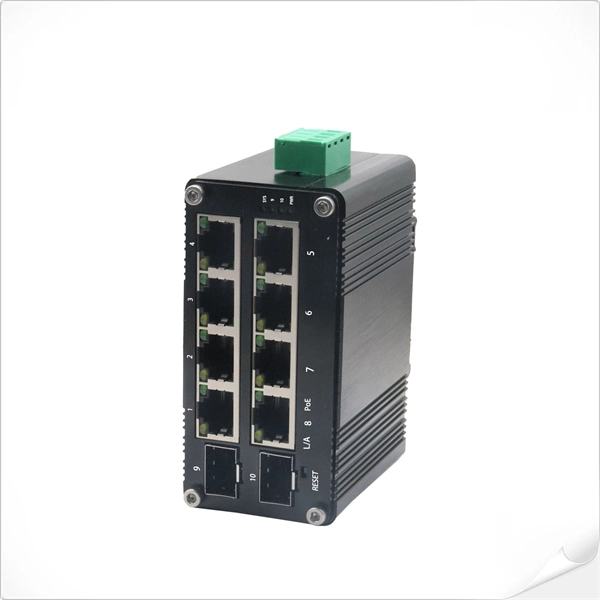
China secures control over AI data arteries via optical modules. Explore the geopolitical impact on the global
Get Price
The Optical Modules Market encompasses the design, manufacturing, and deployment of compact, high-performance
Get Price
Optical Modules Market Outlook 2025-2034 The global optical modules market was valued at $14.8 billion in 2025 and is projected to
Get Price
Discover the evolution from 400G to 800G and 1.6T optical modules. Learn key technologies, CPO vs pluggable, and
Get Price
The optical module chip market exhibits a fragmented yet competitive structure with global technology providers, semiconductor
Get Price
Silicon optical technology, with its advantages of low power consumption and low cost, has become the core direction of 800G and
Get Price
CPO (Co-packaged Optics) faces commercial hurdles due to high maintenance costs (hours of downtime vs. minutes
Get Price
In general, the price increase of optical modules is the inevitable result of strong demand (the AI computing power
Get Price
Global demand for optical fiber is driven not only by upgrades to traditional telecommunications infrastructure but also
Get Price
The automotive industry''s demand for optical modules grew by 30% in 2023, fueled by ADAS and vehicle-to
Get Price
PV module prices in Europe have risen after months of decline, driven by price increases from Chinese manufacturers
Get Price
She explains why solar module prices may increase soon, suggesting that Tier 1 modules
Get Price
LightCounting releases a research note on the early financial results for Q4 2024 Demand for optical connectivity remains strong, but
Get Price
When prices for seemingly similar products vary so much, buyers frequently ask themselves, "Why is there such a
Get PriceContact us for competitive quotes and expert installation services
Get a Quote