
+27 82 391 4765 [email protected] Mon-Fri 8:00-17:30 (SAST)
EN FR PT
Standard grounding wiring for household distribution boxes

Standard grounding wiring for household distribution boxes

Page Content

Proper grounding in a household distribution box ensures electrical safety by providing a low-resistance path for fault currents to the earth and bonding all metal parts to prevent shock hazards.

Key Components of a Grounding System

  • Grounding Electrode: Typically an 8-foot copper-clad steel rod driven into the earth near the main panel, or a concrete-encased electrode (Ufer ground) embedded in the foundation .
  • Grounding Electrode Conductor (GEC): A copper wire connecting the main panel to the grounding electrode. For a 200-amp service, a #4 AWG copper conductor is commonly used .
  • Ground Bus Bar: Located inside the main panel, this bar collects all grounding wires from circuits, appliances, and bonding connections .
  • Bonding Wires: Connect all exposed metal parts, including water and gas pipes, to the grounding system to maintain equal electrical potential .

Installation and Wiring Practices

  1. Locate the Main Panel: Identify the thick bare or green-insulated wire leaving the panel toward the grounding electrode .
  2. Install Grounding Electrode: Drive the rod fully into the earth, leaving only a few inches exposed. If a single rod does not achieve 25 ohms or less resistance, install a second rod .
  3. Connect GEC to Electrode: Use a corrosion-resistant clamp (e.g., acorn clamp) to secure the conductor to the rod .
  4. Bond Metal Piping: Run bonding wires from water and gas pipes to the panel or a convenient junction near the water heater. Use pipe clamps about a foot above the water heater, avoiding joints or elbows .
  5. Connect to Ground Bus Bar: All grounding and bonding wires should terminate securely on the ground bus bar inside the panel, ensuring no corrosion or loose connections .
  6. Check Outlets: Ensure three-prong outlets are properly grounded. Use a plug-in tester to verify correct wiring .

Safety and Compliance Considerations

  • Grounding provides a path for fault currents, allowing breakers to trip and preventing electric shock .
  • Proper bonding prevents dangerous voltage differences between metal parts, reducing shock risk .
  • Grounding also protects sensitive electronics from surges and stabilizes system voltage .
  • Always follow the National Electrical Code (NEC) and local regulations, and consult a licensed electrician for inspections or modifications . By following these practices, a household distribution box will be safely grounded, all metal components will be bonded, and the system will comply with safety standards, minimizing the risk of electrical hazards.
Hot
Distribution System Grounding

Four‐wire systems are superior to three‐wire systems for serving single‐phase loads and are predominant in North America. In

Get Price
Hot
Electrical Box Ground Wire Connectors & Connections

How to make proper & safe electrical ground wiring connections in the box: This article describes options for connecting a metal

Get Price
Hot
The Basics of Grounding and Bonding

These tables help you properly size wiring for the grounding and bonding of your electrical system. Becoming familiar with the proper

Get Price
Hot
Earthing system

Three-phase HV/MV power transformers, located in distribution substations, are the most common source of supply for distribution

Get Price
Hot
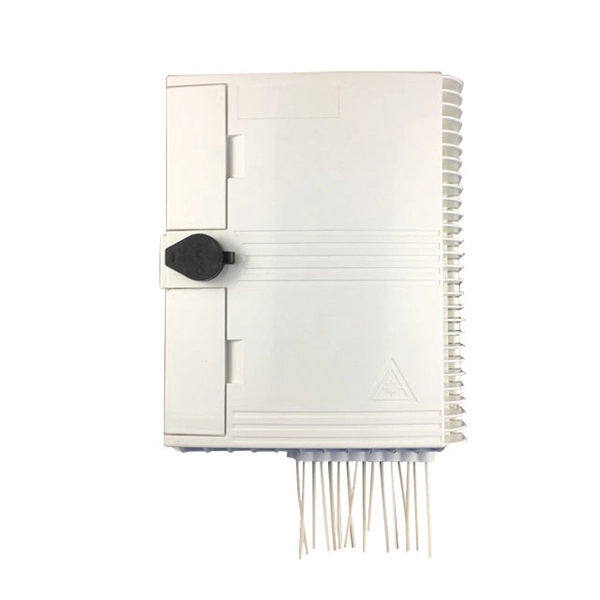
The installation requirements for the distribution box

Learn how to install a distribution box safely and correctly. Covers wiring, placement, standards, and expert tips for a

Get Price
Hot
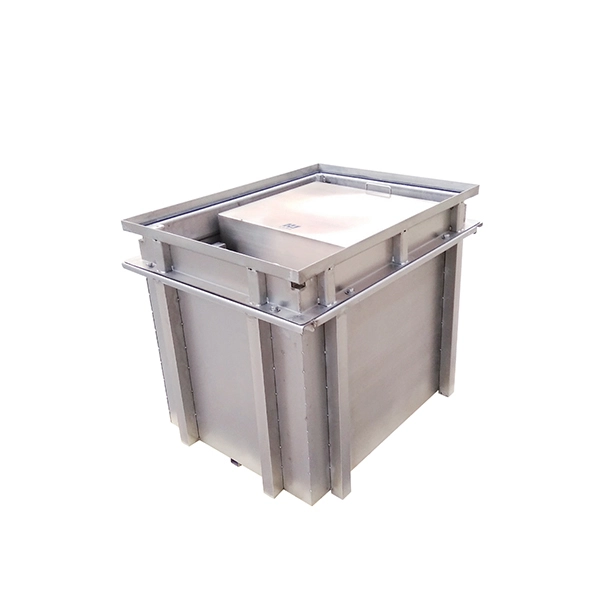
Domestic Distribution Box Grounding Standards

Each DISTRIBUTION BOX and controller must be grounded. On the US market, a 5.26 mm 2 (10 AWG) ground wire must be used,

Get Price
Hot
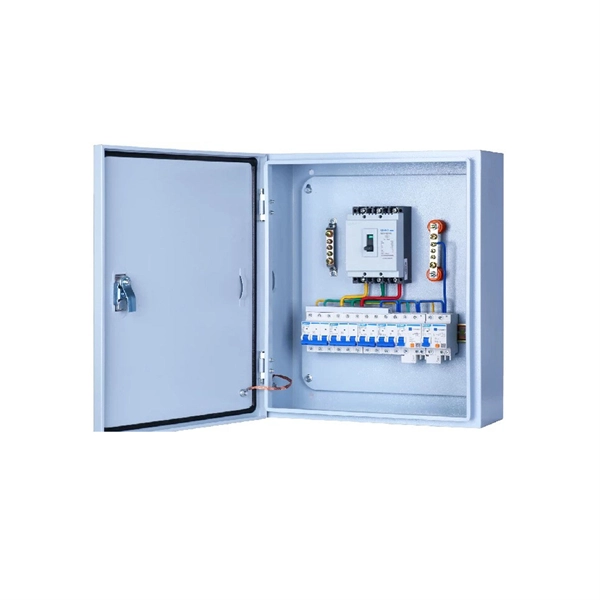
How to Ground an Electrical Panel: NEC Requirements & Step-by

This guide provides a comprehensive overview of the principles, components, and procedures for correctly grounding

Get Price
Hot
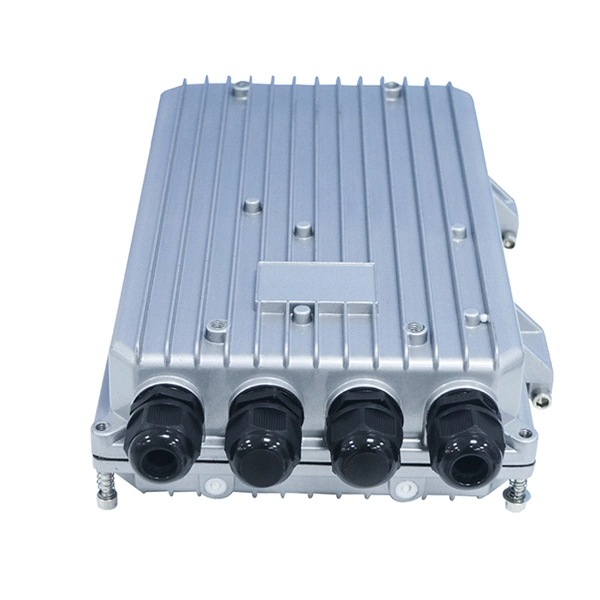
IEC / BS 7671 Codes for Consumer Unit and Distribution Board

Proper earthing (grounding) is required to protect users and equipment from electric shock. Panels must be equipped with protective

Get Price

Hot
Practice for good grounding and bonding a home wiring system

All home electrical systems must be bonded and grounded according to code standards. This entails two tasks: First,

Get Price
Hot
Grounding System Installation Standards for Distribution Boxes and

Whether you''re a seasoned pro or just starting out, this comprehensive guide will give you practical insights into proper

Get Price

Need a Reliable Fiber Contractor?

Contact us for competitive quotes and expert installation services

Get a Quote